


Elgin Crescent garden guide local gardeners tips and contacts
Posted on 11/11/2026
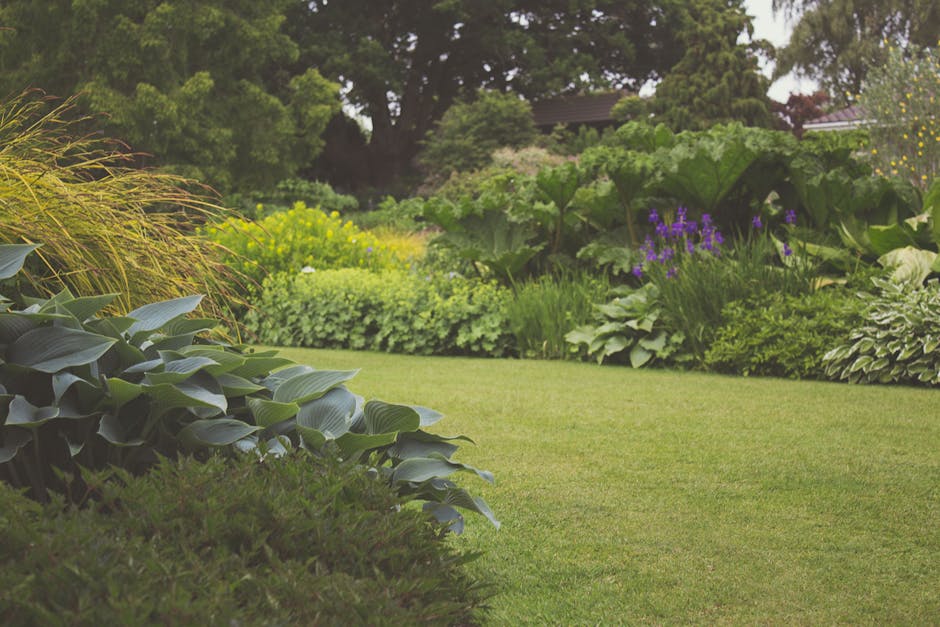
Gardens on Elgin Crescent have a way of looking effortless from the street and a bit more complicated once you step through the gate. Mature planting, shaded front plots, narrow side returns, private mews-style spaces, and the usual London mix of soil quirks and weather swings can make even a simple tidy-up feel like a proper project. This Elgin Crescent garden guide local gardeners tips and contacts is designed to help you make good decisions quickly, whether you are looking after a small town garden, improving privacy, or trying to bring a tired space back to life without overdoing it.
You will find practical tips, a clear step-by-step approach, useful things to look out for, and the kind of local context that matters in real life. Not the glossy version. The actual version. And, to be fair, that is usually what saves time, money, and a fair bit of stress.
Why Elgin Crescent garden guide local gardeners tips and contacts Matters
Elgin Crescent sits in one of those parts of London where a garden has to do several jobs at once. It should look welcoming, feel private, cope with limited space where relevant, and stay attractive through the seasons. That sounds straightforward until you start dealing with hedges that grow faster than expected, paving that gets slick in winter, or borders that look fine in June and completely lost by October.
A local guide matters because gardens here are not generic. Shade from buildings and trees, pressure from foot traffic, container planting on paved areas, and the desire for year-round structure all change what works. A gardener who understands these conditions can save you from buying the wrong plants, cutting back too hard, or creating a layout that looks nice on day one but is awkward to maintain.
It also matters for contacts. If you need help quickly, local gardeners can usually advise on the right order of work: first clear, then prune, then improve soil, then plant. That sequencing sounds obvious, but it is one of those things people often miss. And once you miss it, the job gets harder than it needed to be.
For homeowners, landlords, managing agents, and busy tenants, a practical local guide helps you decide what is worth doing yourself and what is better left to a professional. That is especially useful when garden work starts overlapping with hard landscaping, fencing, patios, or tree work. In those cases, good planning is half the job.
How Elgin Crescent garden guide local gardeners tips and contacts Works
The simplest way to think about this guide is as a decision framework. You assess the space, identify the pressure points, choose the right seasonal tasks, and then match them to the right help or resources. It is a bit like sorting a cupboard: first you see what is there, then you decide what stays, what goes, and what needs replacing.
For a garden on or near Elgin Crescent, the workflow usually looks like this:
- Assess the site. Look at light, soil, drainage, access, and what is already established.
- Set a priority list. Decide whether the main issue is maintenance, privacy, planting, lawn health, or a full refresh.
- Match the work to the season. Winter, spring, summer, and autumn each bring different opportunities and risks.
- Choose the right level of support. Simple tasks may suit a one-off visit, while recurring maintenance may be better handled as a planned service.
- Review after the work. A good result should be easy to keep tidy, not just attractive for a week.
This is where local service pages can be useful if you are comparing options for a larger job. For ongoing upkeep, see garden maintenance support in Maida Vale. If the lawn is part of the problem, lawn care services and regular lawn mowing can be the quickest route back to order. For a more complete overview of what can be done, the page on gardening services in Maida Vale is a sensible starting point.
What makes this work well is not complexity. It is consistency. A garden that is lightly maintained but regularly checked often looks far better than one that gets a heroic clean-up once a year. Truth be told, most gardens reward calm routine more than dramatic intervention.
Key Benefits and Practical Advantages
There are some very real benefits to approaching Elgin Crescent gardens with local knowledge and a sensible plan. The first is visual. A well-managed garden gives a property a more settled, cared-for look, and that matters whether you are entertaining, renting out, or simply wanting to enjoy the space yourself.
The second is function. Smart planting and maintenance make gardens easier to use. Paths stay clearer. Seating areas feel more inviting. Privacy becomes intentional rather than accidental. And yes, the lawn stops looking like it is losing an argument with the weather.
The third is cost control. A little maintenance at the right time often prevents much bigger work later. For example, trimming hedges before they become too woody is usually simpler than tackling them after a season of unchecked growth. Likewise, getting on top of drainage or compacted soil early can prevent repeated patching and replanting.
Here are some practical advantages people usually notice first:
- better seasonal structure and curb appeal
- healthier planting with fewer losses
- easier mowing, trimming, and general access
- improved privacy without making the space feel boxed in
- safer paths, steps, and sitting areas
- more predictable upkeep through the year
For gardens with mature boundaries, it can also make sense to combine trimming with other jobs. A shaped hedge may go hand in hand with professional hedge trimming, while older trees or overextended branches may need careful assessment through tree surgery services. If boundaries are part of the problem, you may also want to consider new fencing options so the whole space works together.
Who This Is For and When It Makes Sense
This guide is useful for a broad mix of people, but not everyone needs the same level of support. Some readers are after simple local gardener contacts for a seasonal tidy. Others are planning a more thoughtful redesign. And some are looking at a garden that has got away from them a little. Happens more than people admit.
It makes sense if you are:
- a homeowner wanting a more presentable front or rear garden
- a tenant trying to keep an outdoor space tidy without overspending
- a landlord or managing agent responsible for presentation and upkeep
- a family needing a safer, more usable outdoor space
- someone with little time who still wants the garden to look cared for
- a person who knows what they want visually but needs help making it practical
The guide also suits people who are unsure whether to choose maintenance, landscaping, or a one-off clearance. If the space is mostly healthy but tired, maintenance may be enough. If the layout does not work, landscaping support may be more useful. If the garden is simply neglected, a reset approach can be the right place to start, and that may mean learning from a resource like getting started with neglected gardens.
It is also a good fit if you care about low-maintenance planting. Some people want a lush look but not a high workload. That balance is possible, but it takes planning. A lot of planning, actually, if the garden has shade, wind exposure, or a narrow footprint.
Step-by-Step Guidance
Below is a practical way to approach an Elgin Crescent garden without getting overwhelmed. You do not need to do everything in one go. In fact, trying to do everything at once is often how people end up with half-finished beds and compost bags lingering in the corner for three weeks.
1. Walk the garden at different times of day
Morning light, afternoon shade, and evening shelter can change what plants will thrive. Notice where water sits after rain, where wind funnels through, and which areas dry out first. This tells you more than a quick glance ever will.
2. Clear what is blocking the real picture
Before designing or planting, remove dead growth, broken pots, weeds, and anything that hides the structure of the space. If the garden feels confusing, it is usually because there is too much visual noise. Once that is gone, the shape becomes easier to read.
3. Decide what the garden needs most
Ask a blunt question: is it a maintenance job, a planting job, or a structure job? If it is mainly maintenance, focus on clean edges, lawn care, weeding, pruning, and general tidying. If it is structural, think about patios, decking, fencing, and path flow. For seating or entertaining spaces, decking services may be more appropriate than repeated patch repairs.
4. Improve the base before adding plants
Healthy soil, drainage, and light access matter more than fancy planting. If the ground is compacted, work it carefully. If the planting area is heavily shaded, choose species suited to shade rather than fighting the site. For inspiration on shade-tolerant structure, the piece on evergreen ideas for shaded corners is especially helpful.
5. Choose plants that suit the real conditions
Do not buy plants for the picture in your head alone. Buy for the light, the wind, and the amount of care you can genuinely give. If you want faster privacy, the article on fast-growing hedge plants for privacy is a practical place to start.
6. Finish with a maintenance rhythm
Every garden becomes easier when you know what happens weekly, monthly, and seasonally. A quick tidy each week often beats a big rescue every few months. Keep tools accessible, keep walks clear, and keep your eye on growth before it becomes a problem.
Expert Tips for Better Results
A good local gardener usually notices a few things quickly that others miss. The first is scale. In a London garden, less can be more. You do not need every corner packed with planting. Negative space gives the rest of the design room to breathe.
The second is repetition. Repeating a few key plants, materials, or shapes creates calm. It is a simple trick, but it works. Too many competing textures can make a small garden feel busy, even if each element is attractive on its own.
Here are some tips that consistently improve results:
- Work with the natural light. Put shade-lovers where sun-lovers would struggle, and vice versa.
- Use evergreen structure. This keeps the garden looking composed during the duller months.
- Mix heights carefully. Tall, medium, and low layers create depth without clutter.
- Keep access practical. If you cannot easily reach a border, it will be neglected. Simple as that.
- Trim hedges before they become difficult. Light, regular cutting is better than one aggressive reset.
- Think in views. What do you see from the kitchen window, the back door, or the first step outside?
If your garden gets a lot of wear from children or dogs, planning becomes even more important. A practical design that keeps run-through areas open and planting protected will save a lot of frustration later. There is a useful guide on making gardens safer for pet dogs, and another on safe gardens for children if family use is part of the brief.
One small but valuable tip: do not underestimate clean surfaces. A tidy patio changes the whole mood of the garden. If your paving is looking dull or slippery, patio cleaning can make the place feel brighter almost instantly. You notice it straight away, especially on a grey afternoon.
Common Mistakes to Avoid
Most garden mistakes are not dramatic. They are quiet ones. The kind that look harmless in spring and then create a headache by late summer.
Here are the ones worth avoiding:
- Choosing plants only for appearance. If they hate the shade or dislike drying winds, they will struggle.
- Cutting hedges too hard at the wrong time. That can leave an awkward shape and slow regrowth.
- Ignoring drainage. Waterlogged borders and soggy lawn patches rarely improve by themselves.
- Overcrowding small spaces. Too many plants make maintenance harder and reduce air movement.
- Skipping regular maintenance. A garden can go from tidy to unruly surprisingly fast.
- Leaving structure as an afterthought. Good planting needs a good frame, whether that is paving, fencing, or a proper border.
Another common issue is treating every task as separate when it is really part of one system. A hedge overhang may cast shade on a lawn. A poor fence may invite climbing plants where you do not want them. A patio in poor condition may stop you using the garden as intended. It all connects, unfortunately. Or fortunately, depending on whether you like solving puzzles.
For particularly unruly spaces, a full garden refresh can be more sensible than patchwork fixes. The article on reviving neglected gardens offers a useful mindset for that kind of project.
Tools, Resources and Recommendations
You do not need a shed full of specialist equipment to look after a good garden. A few reliable tools and the right local help go a long way. The key is using equipment that suits the size of the space and the work you actually do, not the work you imagine you might do one day.
A practical toolkit often includes:
- secateurs for light pruning and deadheading
- loppers for thicker stems
- a sturdy rake for leaf and debris clearance
- a hoe or hand weeder for border maintenance
- gloves that actually fit properly
- a watering can or hose setup suited to the space
- a lawn mower if the garden has enough grass to justify it
For readers who like to do more themselves, the article on essential garden tools is a handy reference. If you are leaning toward a lower-effort design, low-maintenance garden ideas are worth a look too.
Some spaces benefit from more than plants and tools. If privacy, boundary definition, or visual order are high priorities, fencing can make a noticeable difference. If you want to soften the hard edges of a paved area, planting containers and layered borders can help. And if the lawn is central to the garden, lawn mowing and lawn care can make the whole plot feel looked after.
One practical recommendation: ask for help before a problem becomes urgent. A small broken section of fencing, a tree with dead limbs, or a patio that is starting to hold water are all easier to manage early. That is not glamorous advice, but it is the advice people usually wish they had followed sooner.
Law, Compliance, Standards, or Best Practice
For garden work in London, best practice matters even when the job looks informal. If you are dealing with trees, boundary structures, access routes, or shared edges, be careful and considerate. Some work may need extra checking before it begins, especially where ownership, neighbours, or safety could be affected.
In plain terms, the sensible approach is this:
- be clear on what area is yours to maintain
- check whether any trees, hedges, or structures affect neighbours
- avoid damaging shared boundaries or root systems
- make sure waste is removed and disposed of responsibly
- use trained help for higher-risk work such as major tree cutting or unstable structures
For taller trees or potentially risky branches, a qualified approach is far safer than guessing. That is where tree surgery support becomes relevant. For broader outdoor changes, such as new layouts or improved access, good planning through landscaping services helps reduce mistakes and rework.
Best practice also includes keeping the garden easy to maintain after the work is done. A beautiful finish that requires constant rescue is not really a win. The better result is the one that still looks good after a rainy week, a windy day, and a couple of busy weekends.
Options, Methods, or Comparison Table
When choosing how to improve an Elgin Crescent garden, the decision usually comes down to scope, budget, and how much ongoing effort you want to take on. Here is a simple comparison that helps clarify the options.
| Approach | Best for | Typical strengths | Watch-outs |
|---|---|---|---|
| One-off tidy-up | Overgrown but basically healthy gardens | Fast visual improvement, lower commitment | Can drift back quickly without follow-up |
| Regular maintenance | Homes that need consistent presentation | Predictable, easier to budget, prevents build-up | Requires routine and scheduling |
| Targeted services | Specific issues like lawns, hedges, patios, or trees | Efficient, focused, easy to tailor | May not solve wider design problems alone |
| Full landscaping update | Spaces with awkward layout or poor structure | Can transform function and appearance | Needs planning and usually a bigger investment |
If you are unsure where your garden sits on that scale, start with the smallest fix that solves the biggest problem. For some homes, that is a hedge trim. For others, it is a better layout. For a few, it is a complete reset and a fresh plan. There is no prize for making it harder than it needs to be.
Case Study or Real-World Example
A typical Elgin Crescent-style garden might begin with three issues: a patchy lawn, an overgrown hedge at the back, and a patio that looks tired after a long wet spell. Nothing unusual there. The owner wants the space to feel calm and usable again, but they do not want to lose the mature character that gives the garden charm.
A sensible route would be:
First, clear the beds and remove clutter so the garden shape is visible. Next, lightly reduce the hedge to bring back light and improve proportions. Then, treat the lawn as its own project: improve mowing consistency, check whether the soil is compacted, and decide whether repair or replacement is the better option. Finally, clean the patio and review whether a seating or planting update would help unify the space.
In real life, that approach tends to produce a calmer result than trying to replace everything at once. The garden still feels like itself, just better ordered. And that matters, because the best gardens rarely look brand new. They look cared for. Subtle difference, huge effect.
For a more playful or decorative route, some people use containers to test colour and texture before committing to a larger change. If that sounds like you, container gardening ideas can be a smart, low-risk starting point. Small moves, done well, often lead to the best outcome.
Practical Checklist
Use this checklist before you book help or start work yourself:
- Have you identified the main problem: tidiness, privacy, layout, lawn, or planting?
- Do you know which areas get sun, shade, wind, or poor drainage?
- Is any hedge, tree, or fence affecting the garden's function?
- Do you need one-off work or an ongoing maintenance plan?
- Will the garden still be easy to manage after the work is done?
- Are there children, pets, or regular visitors who need safer surfaces and clearer paths?
- Have you thought about whether a patio clean, lawn treatment, or boundary repair should come first?
- Do you have the right tools, or would it be more sensible to bring in local help?
- Is the planting suited to the space rather than just to the look you want today?
- Have you set a realistic time for review and follow-up?
Quick expert summary: start with the biggest constraint, not the prettiest idea. If shade is the issue, fix the planting choice. If access is poor, fix the layout. If maintenance keeps slipping, simplify the design. That one decision usually improves everything else.
Conclusion
Elgin Crescent gardens reward thoughtful, local-first decisions. When you understand the site, choose the right level of support, and keep maintenance realistic, the space becomes easier to enjoy and far less stressful to manage. That is really the goal, isn't it? A garden that feels like part of the home, not a second job.
Whether you need hedges shaped, lawns improved, a patio brought back to life, or a more ambitious redesign, the right approach is the one that matches your space and your routine. Take it step by step, keep it practical, and lean on the kind of local knowledge that respects how London gardens actually behave. A bit of patience goes a long way.
If you are ready to compare options and move forward, speak with a local team that understands the area, the pace, and the sort of details that really matter around Elgin Crescent.
Get a free quote today and see how much you can save.

As an experienced professional in gardening, Scott brings a wealth of knowledge to various landscaping and gardening tasks. Furthermore, he demonstrates proficiency as an author, particularly in the realm of Eco-friendly gardening.