


Little Venice canalside garden care by Maida Vale gardeners
Posted on 03/11/2026
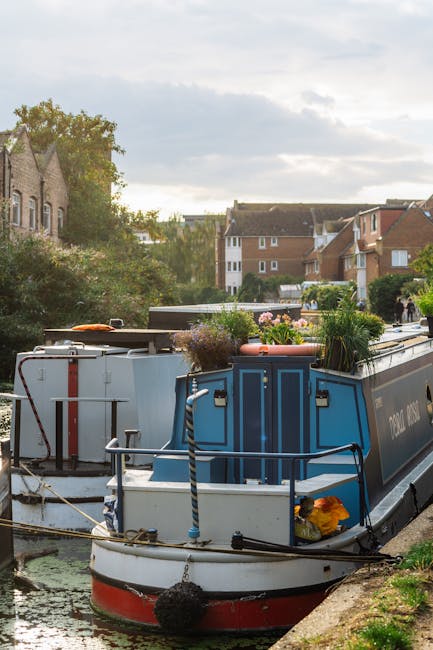
Little Venice is lovely, but let's face it, canalside gardens there have their own personality. The air can feel damper, the light shifts in strange little pockets, and planting beds often sit close to paving, railings, water edges, and narrow access routes. That means Little Venice canalside garden care by Maida Vale gardeners is not just standard garden maintenance with a prettier view. It is a more thoughtful, more responsive way of looking after outdoor space so it stays healthy, tidy, and usable all year round.
Whether you are dealing with a compact terrace garden, a waterside courtyard, a balcony-edge planting scheme, or a shared frontage that needs regular attention, the right care makes a visible difference. In this guide, you will find the practical side of keeping canalside gardens thriving: what matters most, how the work is done, which mistakes cause the biggest headaches, and when local help is worth its weight in gold. If you want a broader overview of local support, you can also explore gardening services in Maida Vale and routine garden maintenance.
There is a lot to get right in these spaces. Drainage, pruning, wind exposure, safety, and planting choice all play a part. Miss one thing and the whole garden starts to feel a bit tired. Get them working together, though, and even a small canalside plot can look calm, neat, and full of life.

Why Little Venice canalside garden care by Maida Vale gardeners Matters
Canalside gardens in Little Venice sit in a very particular environment. Water nearby can make conditions feel cooler and damper, especially after rain, and that changes how soil behaves. Moss appears faster. Some surfaces stay slick. Plant growth can be uneven because one part of the garden gets bright reflections from the water while another stays shaded for much of the day. It is all a bit nuanced, and that nuance matters more than people expect.
For homeowners and landlords, regular care protects both the garden and the property. A neat front or rear space supports kerb appeal, but it also helps avoid issues that build slowly: blocked run-off, compacted soil, overgrown hedges brushing walkways, and plants that are struggling because they are simply in the wrong spot. In narrow streets and shared-access settings, even a small bit of neglect can feel bigger than it is.
Maida Vale gardeners who understand the local rhythm know that this is not a one-size-fits-all job. A lavender border that thrives in full sun elsewhere may sulk beside the canal. A thirsty shrub may be fine in one sheltered corner yet sit in cold, heavy soil nearby. Good garden care starts with observing those differences rather than fighting them.
Expert summary: canalside gardens reward regular, modest interventions more than occasional dramatic work. Small adjustments done consistently usually outperform big clear-ups done once in a blue moon.
There is also the practical human side. If you use your garden for morning coffee, for children playing, or for a dog to wander safely, the space has to be reliable, not just attractive. Clean paths, firm edging, tidy planting, and well-timed pruning all help the garden feel calm instead of chaotic. That calm is worth something.
How Little Venice canalside garden care by Maida Vale gardeners Works
In practice, canalside garden care begins with a proper look around. The job is not merely to cut, tidy, and leave. A good gardener first checks the soil condition, exposure to wind, drainage, planting density, access routes, and any surfaces that need cleaning or stabilising. On a waterside property, those details shape every other decision.
From there, the work usually follows a pattern. The team will identify what needs immediate attention, what should be left alone, and what needs phased improvement. That may mean selective hedge trimming, pruning back soft growth, weeding around borders, refreshing mulch, repairing simple structural elements, or improving lawn and patio conditions. If a layout needs more than maintenance, landscaping support in Maida Vale can help reshape the space so it suits the setting more naturally.
Because canalside gardens can be tighter and more exposed than standard suburban plots, a sensible approach is often layered:
- Inspection: identify damage, drainage trouble, pest pressure, and overgrowth.
- Priority work: remove hazards, clear access, and restore usable areas first.
- Plant care: prune, feed, weed, and re-establish healthy structure.
- Surface care: clean patios, pathways, steps, decking, and edging.
- Ongoing maintenance: return regularly so small issues do not snowball.
That final point matters. On a canal-side property, maintenance is less about heroic rescue and more about consistency. A monthly or seasonal rhythm often works better than waiting until everything looks tired. Truth be told, gardens are a bit like laundry. Ignore them long enough and the job grows teeth.
Different spaces need different service combinations. For example, a courtyard with hard landscaping may need patio cleaning and decking services as much as plant care. A larger front garden may benefit from lawn care alongside hedge shaping. The right mix depends on how the garden is actually used, not just how it looks from the path.
Key Benefits and Practical Advantages
The obvious benefit is a better-looking garden. But the real value goes deeper than that. Proper canalside care helps preserve structure, safety, and planting health in a space that can otherwise become awkward very quickly.
- Healthier planting: beds stay aerated, balanced, and less prone to rot or stress.
- Better drainage awareness: early spotting of pooling or soggy zones prevents bigger issues later.
- Cleaner hard surfaces: paths, patios, and steps are less slippery and more pleasant to use.
- Safer movement: clear routes matter where access is narrow or shared.
- Improved privacy: hedges and screens can be managed without becoming unruly.
- Stronger seasonal resilience: plants are prepared for wind, cold snaps, and damp spells.
- More usable outdoor time: the space feels inviting rather than a bit neglected.
There is also the subtle benefit of having the right plants in the right place. A garden that is matched to its conditions asks less of you. That is the dream, really. If your planting strategy supports the local microclimate, you will spend less time rescuing struggling beds and more time enjoying what is already working.
For some properties, privacy is a big part of the brief. In those cases, careful hedge management can make a huge difference. A well-kept boundary gives screening without making the space feel boxed in. If that is on your mind, the site's advice on hedge trimming in Maida Vale and the article on fast-growing hedge plants for privacy can be useful reading.
Who This Is For and When It Makes Sense
This kind of garden care suits anyone with outdoor space near the canal who wants dependable results rather than occasional tidy-ups. That includes private homeowners, rental property owners, small blocks with shared courtyards, and busy residents who simply do not have the time or appetite to handle the garden themselves.
It makes particular sense if your garden has any of the following:
- shaded or partially shaded beds that stay damp for long periods
- hedges or shrubs close to walkways or water-facing edges
- lawns that thin out after wet weather
- patios or stepping stones that become slippery
- old planting schemes that no longer match how the space is used
- wind exposure from open stretches around the canal
- storage or access constraints that make DIY work awkward
There is a quiet confidence in hiring local gardeners who already understand those conditions. They do not need a long explanation every time. They know which plants are likely to perform, which ones need a gentler touch, and where maintenance should be phased rather than rushed. If you are coming back to a garden after a period of neglect, that local experience can be a relief. It is one of the reasons many people start with about us pages before choosing who to trust, because the working style matters as much as the service list.
Sometimes the trigger is less dramatic: perhaps you are preparing for a sale, welcoming tenants, or planning to use the garden more in spring and summer. Maybe the beds are not broken, just messy. That is enough. A garden does not need to be disastrous to deserve proper care.
Step-by-Step Guidance
If you want to improve a canalside garden in a sensible order, start with the ground truth. What is actually happening in the space? Not what it should be doing. Not what it looked like in June three years ago. What is happening now?
1. Walk the space in daylight and after rain
Look for puddling, moss build-up, slippage, and any areas that dry unevenly. A quick walk after rain tells you a lot. You will often notice hidden problems in five minutes that could take months to spot otherwise.
2. Remove the obvious clutter first
Broken pots, dead annuals, fallen leaves, ropey old supports, and anything blocking the flow of the garden should go. Clear access makes the rest of the job easier and safer. If there is a lot to clear, a neglected-garden reset approach can be helpful, especially for spaces that need a fresh start.
3. Cut back with purpose, not just volume
Prune to shape plants, improve airflow, and open light where it is needed. Avoid the temptation to clip everything into harsh squares just because it is quick. Good pruning is patient. A bit boring, maybe. But effective.
4. Check soil and feeding needs
Canalside beds often need help holding a good balance between moisture and drainage. Add organic matter where soil is tired, but do not overdo it in already-heavy ground. Compost should support structure, not smother it. If you are keen on making better use of garden waste, the piece on nutrient recycling through organic waste is worth a look.
5. Reassess the planting mix
Use plants that match sun, shade, dampness, and exposure. In Little Venice, this often means combining reliable structure plants with softer seasonal planting. Ground cover can be a smart move where weeds keep returning or where soil is exposed. The guide to ground cover plants for UK gardens gives a useful sense of why that works.
6. Tidy the hard landscaping
Pathways, edging, steps, and patios should be washed down and checked for wear. Slippery surfaces are a nuisance and, honestly, a bit of a trip hazard waiting to happen. Where surfaces are heavily weathered, targeted patio cleaning can restore the garden's whole feel.
7. Set a repeat schedule
Finally, agree a maintenance rhythm. That might be fortnightly in the growing season and less frequent in winter, or it might be simple monthly visits. The point is consistency. A garden handled in regular small doses tends to look calmer and cost less to keep under control over time.
Expert Tips for Better Results
These are the little things that make a noticeable difference, especially in waterside settings.
- Prioritise airflow. Damp gardens need air movement to reduce fungal pressure and keep foliage cleaner.
- Keep hedges lightly managed. Dense, unchecked growth can trap moisture and block light. A clean, layered hedge is healthier than a brute-force mass of greenery.
- Use planting height wisely. Put taller plants where they can work as screens without stealing too much light from lower beds.
- Choose containers for awkward corners. Containers let you adjust the scheme without digging up the whole garden. Handy, and flexible.
- Refresh mulch, but do not bury stems. A neat mulch layer helps moisture stability and weed suppression, yet piling it against stems invites rot.
- Inspect after strong wind. Canalside locations can funnel gusts. Small ties, stakes, and supports often need checking after blustery spells.
- Think in seasons, not weekends. A good garden plan should still work when the weather turns dull and the light gets poor, which, in London, happens more often than we'd like.
If you are working with mature trees nearby, do not be too casual about branches overhanging paths or roofs. Professional tree surgery may be needed when pruning becomes structural or safety-related rather than cosmetic. That is one area where guessing is a bad idea.
A small but useful tip: keep one area of the garden intentionally simple. A calmer bed, a cleaner line, or a softer seating corner can stop the whole space from feeling busy. That is especially useful in compact canalside plots where visual clutter builds up quickly.
Common Mistakes to Avoid
Most garden problems come from well-meant decisions made too often or at the wrong time. A few classic mistakes show up again and again in canalside gardens.
- Overwatering shaded beds: damp conditions can make this a fast route to root stress.
- Ignoring drainage: if water sits around, the rest of the work becomes temporary.
- Choosing plants for looks alone: a plant that photographs well may still hate your microclimate.
- Cutting hedges too hard in one go: severe reductions can leave bare patches and weak regrowth.
- Leaving surfaces untreated: algae and grime build slowly, then suddenly become obvious.
- Using the wrong materials near water exposure: some finishes and fixtures age badly if they are not suited to damp settings.
- Letting maintenance slip until winter: by then, the work is usually less pleasant and more expensive.
One more thing. People often assume that because a garden is small, it should be easy. Not always. Small gardens can be fussy little places. Every issue is on display. Every patch of moss. Every lopsided shrub. Every pot you meant to move last month. It all adds up.
That is why phased work is usually smarter than grand plans. Fix the bones first, then the planting, then the fine detail.
Tools, Resources and Recommendations
A good gardener does not need a van full of gadgets, but the right tools make a real difference. For canalside work, you usually want equipment that is precise, efficient, and easy to carry in and out of tight access points.
| Task | Useful tools | What to watch for |
|---|---|---|
| Pruning and shaping | Secateurs, loppers, pruning saw | Clean cuts matter; blunt blades tear growth |
| Hedge management | Hand shears, hedge trimmer | Avoid overcutting nesting or wildlife-covering growth |
| Surface care | Stiff brush, pressure washer used carefully | Do not damage joints, pointing, or delicate stone |
| Soil care | Fork, spade, compost, mulch | Heavy soils need structure, not just more material |
| Weed control | Hand tools, mulch, regular inspection | Catch weeds early before roots settle deeply |
For small or awkward gardens, containers can be a lifesaver. They let you create interest without disrupting the whole layout, and they are easier to reposition when light or moisture conditions change. If that sounds useful, the guide on revamping your garden with containers gives practical ideas.
For inspiration on low-fuss planting, especially where time is limited, the article on affordable low-maintenance gardens is a sensible companion read. And if your space needs stronger structure around privacy or boundaries, the page on fencing in Maida Vale may be useful when planning the broader layout.
Sometimes the best resource is simply a realistic seasonal plan. Spring is for checking what survived winter and deciding what needs restoring. Summer is for shaping, feeding, and keeping things tidy. Autumn is for leaf fall, clearing, and preparing the soil. Winter is for restraint, observation, and the odd quiet prune when conditions are right. That rhythm is less glamorous than a makeover show, but it works.
Law, Compliance, Standards, or Best Practice
Garden care in Little Venice does not usually involve heavy regulation, but there are still sensible UK best practices to follow. If you are working near boundaries, shared access, or wildlife-sensitive areas, caution is wise. If a tree is large, close to structures, or showing signs of instability, a professional assessment is safer than guesswork. Likewise, if any work could affect neighbours, paths, or shared surfaces, it is courteous to plan access and debris handling carefully.
For day-to-day maintenance, best practice usually means:
- working safely around slippery or uneven surfaces
- using the right tool for each task instead of forcing the issue
- disposing of green waste responsibly
- avoiding over-pruning during poor weather or active nesting periods where caution is needed
- respecting neighbouring property and access arrangements
- keeping works neat, especially where appearance matters to residents or visitors
If you are arranging larger changes, structural items such as decking or fencing should be installed and maintained with proper care, especially in exposed or damp settings. For that kind of work, it helps to coordinate between maintenance, landscaping, and any repairs rather than treating each task as isolated. The site's pages on decking services and landscaping are useful starting points for that broader planning.
In plain English: do the job properly, do it safely, and do not leave the next person to mop up avoidable mess. That is the standard most good gardeners work to anyway.
Options, Methods, or Comparison Table
Different care approaches suit different gardens. A quick comparison helps if you are deciding how much support you actually need.
| Approach | Best for | Pros | Limitations |
|---|---|---|---|
| DIY maintenance | Very small gardens, confident owners | Low cost, flexible timing | Easy to miss drainage, pruning, or surface issues |
| Occasional tidy-up | Gardens that are mostly under control | Useful for reset work and seasonal clean-ups | Problems can return if follow-up is irregular |
| Regular professional care | Canalside gardens, busy households, rental properties | Consistency, local know-how, better long-term stability | Higher ongoing commitment, though often better value overall |
If the space is primarily lawn-led, then pairing general maintenance with lawn mowing and lawn care can be the cleanest solution. If the garden is more ornamental, a mix of pruning, border care, and surface cleaning may make more sense.
There is no prize for choosing the biggest package. The right method is the one that fits the garden's actual needs and your available time. Simple as that.
Case Study or Real-World Example
Picture a narrow rear garden near the canal: a patchy lawn, two tired shrubs, a patio with slippery green film on the stone, and a hedge that has grown a little too confident. Nothing dramatic, just everything looking one level more worn than it should.
The first visit focused on basics. Debris was cleared, the patio was cleaned, the hedge was reshaped, and the planting bed was thinned so light could reach the soil. The lawn was edged properly and then treated as a separate task instead of being left to "sort itself out," which, of course, it never does. A small amount of compost was worked into the bed, and a few better-suited plants were added where the old ones had repeatedly struggled.
By the second visit, the whole place felt different. The garden was not bigger. It was not transformed into a magazine spread, either. But it looked cared for. You could walk through it without looking down at every step. Water drained more cleanly. The hedge stopped shading half the patio. And the seating area, which had once felt like an afterthought, became somewhere people actually wanted to sit with a cup of tea.
That is the real point of canalside garden care. Not perfection. Usability. Calm. A garden that feels like it belongs to the home again.
If the space had contained more mature trees or a more complex layout, the plan might have included tree surgery support or more detailed design input from a local gardening team. The method changes, but the aim stays the same.
Practical Checklist
Use this before or after any visit to keep your canalside garden moving in the right direction.
- Check for standing water, soft spots, or drainage trouble
- Remove dead plants, leaf build-up, and loose debris
- Inspect hedges and shrubs for overcrowding
- Look for slippery moss or algae on paths and patios
- Confirm that access routes are clear and safe
- Review which plants are thriving and which are struggling
- Trim back growth that blocks light or airflow
- Add mulch or compost where soil has thinned out
- Test whether the garden still matches how you use it
- Set a realistic repeat maintenance schedule
Quick reminder: if a task keeps showing up every time you look at the garden, that is your cue to build it into the plan rather than hoping it vanishes on its own.
Conclusion
Little Venice canalside garden care by Maida Vale gardeners is about more than routine tidying. It is a practical, local response to a very specific kind of garden environment: one shaped by water, shade, wind, limited access, and the need for spaces that look as good as they function. When the work is done well, the garden feels calmer, safer, and far easier to live with.
The best results usually come from regular attention, sensible plant choices, and a maintenance plan that respects the space rather than forcing it into a standard template. If you start by understanding the garden's conditions, then build the work around those conditions, you will usually avoid the costly mistakes that catch people out. And that, to be fair, is what good gardening is often about: thoughtful little choices done consistently.
If your garden near the canal needs a steadier hand, a fresh start, or simply a more reliable routine, the next step is straightforward. Get the space assessed, decide what needs immediate attention, and build from there.
Get a free quote today and see how much you can save.


As an experienced professional in gardening, Scott brings a wealth of knowledge to various landscaping and gardening tasks. Furthermore, he demonstrates proficiency as an author, particularly in the realm of Eco-friendly gardening.