


Spring 2026 garden maintenance checklist for Maida Vale gardeners
Posted on 10/10/2026
Spring 2026 Garden Maintenance Checklist for Maida Vale Gardeners
Spring in Maida Vale has a particular feel to it: one week you are shaking off the last of winter, the next you are looking at fast-growing borders, damp patios, and a lawn that suddenly needs attention. If you are planning your Spring 2026 garden maintenance checklist for Maida Vale gardeners, the goal is simple enough: get ahead of growth, protect plants from late cold snaps, and tidy the space so it actually works for everyday life. That means doing the right jobs in the right order, not just "a bit of everything".
This guide is built for real gardens in W9. Small urban plots, shaded corners, mature hedges, compact lawns, containers on terraces, and those awkward in-between spaces all need a slightly different spring routine. You will find a clear checklist, practical steps, and a few sensible cautions along the way. Nothing overcomplicated. Just the kind of advice that helps a garden look better, last longer, and feel easier to manage.
If you want a broader seasonal service base while you work through the checklist, it can help to keep professional garden maintenance in Maida Vale in mind for the heavier lifting. And if your spring reset is turning into a bigger transformation, the team's landscaping support in Maida Vale can be useful for layout improvements, drainage tweaks, or reworking tired areas.
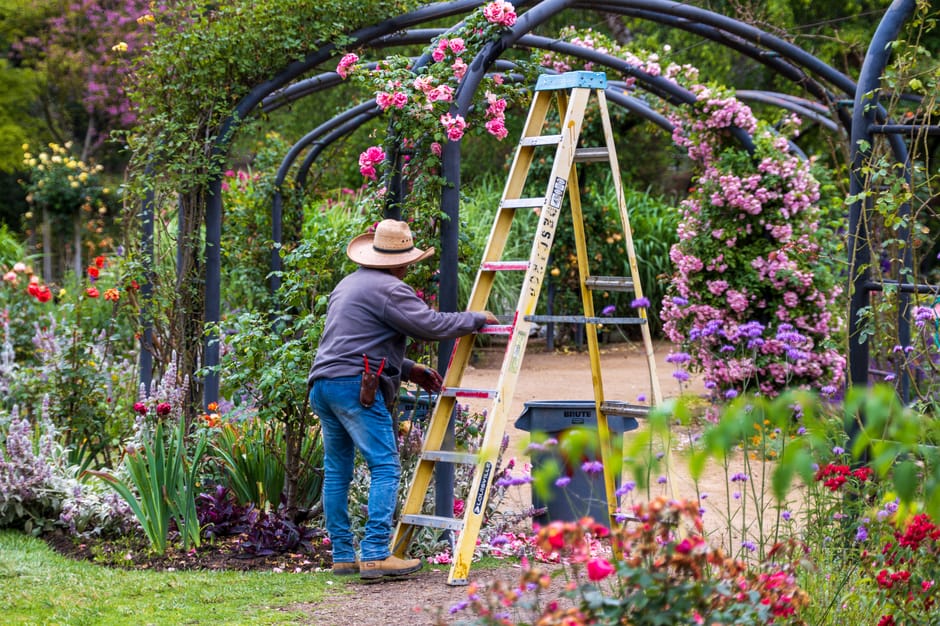
Why Spring 2026 Garden Maintenance Checklist for Maida Vale Gardeners Matters
Spring is not just the season of new growth. It is the season when small issues become visible. Bare patches in a lawn, black spot on roses, compacted soil, tired hedge lines, and slippery paving all show up at once. In a dense London area like Maida Vale, gardens often get extra pressure from shade, limited airflow, hard surfaces, and the odd neglected corner behind bins or fencing. That is why a spring checklist matters more than a vague "tidy up when you can" approach.
Think of it as resetting the garden after winter. Dormant plants start waking up, weeds move fast, and pruning decisions made now shape the rest of the year. If you miss the window for certain tasks, you can end up chasing problems all summer. Not ideal, and honestly, a bit annoying when the weather finally turns pleasant.
There is also a design side to it. Spring maintenance is the point where a garden starts feeling usable again. Paths become safer, seating areas stop looking forgotten, and planting beds begin to frame the space properly. For many homes, especially in W9, that little burst of order makes the whole property feel calmer.
How Spring 2026 Garden Maintenance Checklist for Maida Vale Gardeners Works
The checklist works best when it follows the natural order of the garden itself. First, you assess. Then you clear, prune, repair, feed, and only after that do you refine. Jumping straight to planting is tempting, but it can leave you with hidden issues underneath. A patch of spring bulbs looks lovely, but not if it is sitting on compacted soil or competing with a mat of weeds.
In practice, a good spring maintenance routine usually moves through six layers:
- Inspection - check what winter has damaged, hidden, or weakened.
- Cleanup - remove debris, leaves, dead growth, and slippery build-up.
- Cutting and shaping - prune, mow, trim, and define structure.
- Repair and support - fix edging, fencing, trellis, decking, or awkward drainage points.
- Soil and feeding - improve the growing base before adding more plants.
- Planting and finishing - add colour, texture, mulch, and final detail.
That sequence matters because every job affects the next one. For example, hedge work can reveal broken fencing. Lawn scarifying can expose where the soil is thin. Patio cleaning might uncover staining or algae you did not notice through winter. A spring checklist should be practical, not decorative.
It also helps to split the work into small visits rather than one heroic day. To be fair, most gardens do not need a dramatic overhaul in one go. They need steady attention. That is where a service like Maida Vale gardening services can save time if your spring list is already longer than your weekend.
Key Benefits and Practical Advantages
There is a very direct payoff to spring maintenance: the garden becomes easier to live with. Less mess underfoot, less random overgrowth, fewer pests sheltering in dead material, and a better chance of healthy growth through late spring and early summer. That is the obvious part. The quieter benefit is confidence. You stop feeling like the garden is "getting away from you".
Here are the main advantages most homeowners notice:
- Better plant recovery after winter stress and colder nights.
- Healthier lawns with improved airflow, feeding, and mowing rhythm.
- Improved kerb appeal from visible tidying, edging, and pruning.
- Lower weed pressure when beds are cleaned and mulched early.
- Safer surfaces on patios, decking, and paths after moss or algae removal.
- More usable space for sitting, entertaining, or simply enjoying a cup of tea outside.
There is a financial angle too, though it is not glamorous. Small maintenance jobs usually cost less than big remedial work. A hedge trimmed at the right time is easier to control than one that has been left for a season too long. A lawn treated early is less likely to need major rescue work later. Same with patios, timber, and fences. Spring maintenance is one of those "a stitch in time" jobs. A bit dull, yes. Very effective, also yes.
Who This Is For and When It Makes Sense
This checklist suits anyone responsible for a private garden in Maida Vale, but especially people with limited time, mature planting, or a garden that has not had much attention since autumn. It is also useful if you have recently moved into a property and want to understand what shape the outdoor space is actually in. Fresh eyes help. You will notice things the previous owner probably ignored for years.
It makes sense for:
- busy households that need a realistic seasonal routine
- owners of small courtyard gardens, terraces, and shared-access spaces
- families wanting safer surfaces and more usable play space
- people with hedges, shrubs, climbers, and mixed borders
- landlords or property managers preparing a garden for spring use
- homeowners planning a bigger refresh later in 2026
If the garden is badly neglected, a spring checklist is still useful, but you may need to start with a reset rather than routine maintenance. In that situation, a practical first step is often to work through this guide to neglected garden recovery and then decide what needs proper restoration.
And if your boundaries are part of the problem, don't ignore them. A weak fence or shabby edge can make the whole garden feel unfinished. For that, fencing work in Maida Vale may be the more sensible first move before you spend time on planting.
Step-by-Step Guidance
Here is a practical spring workflow you can actually use. It is arranged to reduce rework and help you spot issues early.
1. Walk the garden and make a quick audit
Start with a slow walk, ideally on a dry morning when you can see what winter left behind. Look for broken stems, waterlogged patches, fallen twigs, slipped paving, loose trellis, and dead leaves caught in corners. Check pots too. Containers are sneaky. They often look fine from a distance and are bone dry, root-bound, or frost-damaged up close.
Make three notes: what needs cleaning, what needs cutting, and what needs fixing. That simple split keeps the day manageable.
2. Clear debris and tidy the ground layer
Remove leaf litter, twigs, dead annuals, and anything that has become a hiding place for slugs or mould. In shady Maida Vale gardens, this step makes a big difference because moisture lingers. Clearing the surface also helps you see the structure underneath, which is often where the real problems live.
If weeds are already racing ahead, tackle them early. If you need more help with that stage, the advice in these weed-control tips is a useful companion to your spring clean.
3. Prune, trim, and shape with purpose
Prune dead, damaged, or crossing stems first. Then shape shrubs and climbers carefully, keeping the plant's natural habit in mind. This is also when hedge lines should be made neat and even again. Good hedge work is not about shaving everything into one hard rectangle. It is about maintaining thickness, light penetration, and a clear boundary.
For hedge-heavy gardens, a dedicated visit for hedge trimming in Maida Vale can be worth it, especially where access is awkward or the hedge has grown beyond easy reach. If you want a deeper look at the craft itself, the article on creative hedge trimming ideas is surprisingly useful, and not just for fancy shapes.
4. Restore the lawn before the growth rush
Spring is the moment to inspect the lawn for moss, thatch, bare spots, and compaction. Rake out dead material, edge the borders, and mow only when the grass is actively growing and not sodden. Cutting too early or too short can weaken the turf. Better to be a touch patient than to scalp the lawn into a panic.
If the lawn looks tired, consider feeding and overseeding rather than waiting for summer heat to expose the problem. For a more focused approach, lawn care in Maida Vale can help address patchy areas, moss, and seasonal recovery. For regular cutting, a timed visit for lawn mowing in Maida Vale keeps growth under control without overdoing it.
5. Feed the soil, not just the plants
This is where many spring checklists go shallow. Healthy soil does not happen by accident. Add compost, leaf mould, or another suitable organic amendment where beds look tired. Mulch around shrubs and perennials, but keep material away from stems to avoid rot. If you compost at home, even better, because recycled organic matter keeps the garden cycle going.
There is a good practical link between spring feeding and sustainability, and the guide on nutrient recycling through organic waste is a nice reminder of how much value can come from what you already have.
6. Refresh planting, containers, and focal points
Once structure and soil are sorted, bring in seasonal colour and useful planting. Containers are ideal if your outdoor space is compact or you want flexibility. They also let you move tender plants if the weather turns colder again, which, let's face it, still happens in London spring. One sunny spell and then a chilly evening. Classic.
For ideas on making the most of pots and raised displays, revamping your garden with containers is a strong place to start. If you prefer something tougher and lower maintenance, you might also like the thinking in affordable low-maintenance garden ideas.
7. Clean hard surfaces and check outdoor structures
Patios, paths, decking, and steps can become slippery over winter. Moss, leaf stains, and grime build up quietly. Spring is a sensible time to wash these areas down and check for damage. Also inspect timber edging, raised beds, trellis, and any fixed seating before the garden is in daily use again.
If the hard landscaping is looking dull, a proper patio cleaning service in Maida Vale can make the space feel brighter straight away. And where timber or outdoor platforms need attention, decking services can address both appearance and safety.
8. Check trees, tall shrubs, and boundary screening
Spring is a smart time to inspect any tree canopy for broken branches, crossing growth, or signs of stress. This is not about heavy-handed cutting. It is about safety and long-term shape. Mature trees especially should be handled carefully. If in doubt, it is safer to get a professional view rather than guessing with a ladder and a pair of secateurs. That ends badly more often than people admit.
For more involved work, tree surgery in Maida Vale is the right route for larger, riskier, or structurally sensitive trees.
9. Finish with edging, definition, and a final sweep
The last stage is the one that makes the whole job feel finished. Edge lawn borders. Redefine bed lines. Sweep gravel, clean up cuttings, and take one more look from the house window. If the view feels calmer from indoors, you have probably done it right. That matters more than people think.
Expert Tips for Better Results
Spring maintenance is easy to rush. The trick is to work with the garden's actual conditions, not with a perfect picture in your head.
- Wait for workable soil. If the ground is still sticky and cold, tread lightly. Compacted spring soil creates problems that last for months.
- Prune for airflow. In humid corners, especially near walls and fences, open the centre of shrubs a little so moisture can escape.
- Use mulch strategically. A thin, even layer does more good than a thick heap. More is not always better. Gardeners learn that the hard way, usually with pride.
- Prioritise visible safety hazards. Slippery paving, unstable fencing, and loose branches should come before decorative planting.
- Work in zones. One border, one path, one lawn section. You will finish more, and feel less overwhelmed.
- Keep a small spring note. Jot down which shrubs flowered well, where puddles formed, and what got damaged. Next year's job gets easier.
If your garden is exposed to wind, spring can be deceptive. Warm air one day, drying gusts the next. A useful read on that is keeping your garden safe from excessive wind, because newly planted containers and tender shoots need a bit of shielding in exposed spots.
And if privacy is a spring project in itself, especially for small urban gardens overlooked by neighbouring windows, the guide on fast-growing hedge plants for privacy is worth a look before you buy anything.

Common Mistakes to Avoid
Most spring garden problems come from doing the right thing at the wrong time, or doing too much in one go. It happens.
- Cutting the lawn too short too early. Spring grass often needs a gentler first few cuts.
- Pruning everything at once. Some shrubs need a light touch, not a blanket haircut.
- Forgetting to clean hard surfaces. A tidy border on top of a slippery patio is not much of an upgrade.
- Ignoring drainage problems. If one area stays wet, it will keep undermining planting and turf.
- Overfeeding plants. Too much fertiliser can push weak, soft growth instead of steady recovery.
- Planting without checking light levels. Maida Vale gardens often have surprisingly different shade patterns from one corner to the next.
- Leaving structural repairs until later. If a fence panel is loose now, it rarely improves by itself.
One simple rule helps a lot: if the task affects safety, structure, or plant health, do it first. The prettier jobs can wait a few days. The garden will still be there, promise.
Tools, Resources and Recommendations
You do not need a shed full of specialist kit to carry out a good spring reset. In most cases, a few reliable tools are enough, plus the right services for jobs you do not want to tackle alone.
| Task | Useful tools or support | Why it helps |
|---|---|---|
| General tidy-up | Gloves, rake, hand fork, pruning shears | Speeds up debris removal and light cutting |
| Lawn recovery | Rake, mower, lawn feed, seed for bare patches | Supports thicker, more even growth |
| Hedge and shrub shaping | Secateurs, hedge trimmer, step stool or professional help | Keeps structure neat and manageable |
| Hard surface refresh | Stiff broom, scraper, pressure-safe cleaning approach | Improves safety and appearance |
| Tree inspection | Binoculars, visual check, qualified tree support if needed | Helps spot risk without climbing or guessing |
| Design refresh | Containers, compost, mulch, edging tools | Creates a more finished spring look |
For gardeners who prefer working with the right kit from the start, the article on must-have tools for outdoor enthusiasts is a practical companion piece. It is not about buying everything under the sun. It is about choosing tools that you will actually use.
And if your spring work is part of a wider plan for a safer or more child-friendly outdoor area, you may also find building a safe and engaging garden for children helpful, especially when deciding where to place paths, seating, and planting.
Law, Compliance, Standards, or Best Practice
For most home gardeners, the biggest compliance issue in spring is not paperwork. It is common-sense risk management. In the UK, you should be careful with tree work, boundary work, and anything that could affect neighbours, access, or public safety. If a tree is large, unstable, or close to structures, it is sensible to use qualified help rather than assuming a quick trim will do.
There is also a practical neighbourly standard in places like Maida Vale, where gardens are close together. Loud work, debris, overhanging branches, and hedge encroachment can cause friction if handled carelessly. A respectful schedule and tidy work area go a long way. So does checking shared boundaries before you cut anything that sits on a line.
Best practice also means using tools safely, avoiding unnecessary disturbance to nesting wildlife, and not over-applying treatments. If you are uncertain about a particular plant, tree, or structural feature, ask before acting. The garden may look like a simple patch of green, but spring has a habit of revealing all sorts of hidden complications.
For service standards and an overview of how the work is approached, it can be useful to read about the team's background on the about us page. It gives a better sense of the practical, local approach behind the maintenance work.
Options, Methods, or Comparison Table
Different gardens need different spring methods. A compact terrace, a leafy family garden, and a mature planted plot will not respond to the same routine. Here is a simple comparison to help you choose the right approach.
| Approach | Best for | Strengths | Limitations |
|---|---|---|---|
| DIY spring maintenance | Small gardens, light upkeep, confident homeowners | Lower cost, flexible timing, personal control | Time-consuming, easy to miss hidden issues |
| Hybrid approach | Busy households, mixed-size gardens | Handles routine tasks in-house and outsources harder jobs | Needs a bit of planning and coordination |
| Professional spring maintenance | Overgrown, complex, or time-pressured gardens | Faster, more thorough, useful for structural or specialist work | Less hands-on control, not always needed for every task |
For many Maida Vale households, the hybrid model is the sweet spot. You can keep on top of pots, watering, and light tidying, then bring in help for mowing, hedge work, tree care, or patio cleaning when the workload spikes. That keeps the garden neat without turning spring into a second job.
Case Study or Real-World Example
Imagine a typical W9 garden after winter: a narrow lawn at the back, a hedge that has thickened over the colder months, a couple of containers on a terrace, and a patio with a green film on the shaded side. The owner has been meaning to "sort it out" since March, but the weeks keep slipping by. Very normal, frankly.
The most effective spring reset in a case like this would usually start with a walk-through and a clear-out. Debris is removed, the patio is cleaned, the hedge is lightly reshaped, and the lawn is raked and mown at a sensible height. The containers are refreshed with compost and seasonal planting. One broken fence panel gets repaired before any new plants go in. Nothing dramatic. Just ordered work.
What changes? The garden feels bigger, because clutter is gone and edges are defined. The lawn starts recovering instead of being flattened by neglect. The patio becomes usable again on mild evenings. And the owner stops feeling like every spare weekend has to be sacrificed. That is the real value of spring maintenance: less noise, more use.
In a slightly more complex garden, where mature shrubs and trees are involved, the same approach might include specialist help for tree inspections or heavier cutting. That is not overcautious. It is just sensible. A tidy garden should still be a safe one.
Practical Checklist
Use this as your working spring checklist. Print it, copy it, tick it off on your phone, whatever suits you.
- Inspect the whole garden after winter damage
- Remove leaves, twigs, dead annuals, and clutter
- Check for standing water, soggy patches, or drainage issues
- Prune dead, damaged, or crossing stems
- Trim hedges and shape shrubs carefully
- Mow the lawn only when conditions are suitable
- Rake out moss and thatch from turf
- Feed lawns, beds, and containers as needed
- Add compost or mulch to improve soil condition
- Refresh pots and containers with new planting
- Clean patios, paths, decking, and steps
- Inspect fencing, trellis, and boundary features
- Check trees and large shrubs for unsafe growth
- Edge lawns and borders for a crisp finish
- Clear all cuttings and recycle green waste where possible
- Review what worked well and note any follow-up tasks
Quick spring priority order: safety first, structure second, soil third, planting last. If you remember that one sequence, the rest gets easier.
Conclusion
A good spring reset is not about making the garden look perfect overnight. It is about creating the right conditions for a healthy season ahead. In Maida Vale, that often means dealing with shade, tight spaces, mature boundaries, and a bit of winter fatigue all at once. But with a sensible checklist, the work becomes manageable.
Start with the basics: clear, cut, repair, feed, and finish. Deal with the jobs that affect safety and structure before you move on to planting and styling. That approach saves effort, avoids messy rework, and gives the garden a steadier, more settled look as the weather warms.
If you only do one thing this spring, make it the thing that removes pressure from the rest of the season. A clean lawn edge, a safer path, a healthier hedge, or a tidy border can change how the whole garden feels. Sometimes that is enough to get the place back on your side.
If you would rather hand over the more demanding work, or simply want a second pair of hands for a proper seasonal reset, explore the local options and get the garden into shape before growth really takes off.
Get a free quote today and see how much you can save.

As an experienced professional in gardening, Scott brings a wealth of knowledge to various landscaping and gardening tasks. Furthermore, he demonstrates proficiency as an author, particularly in the realm of Eco-friendly gardening.