


Warwick Avenue station garden clearance same day gardeners
Posted on 18/10/2026
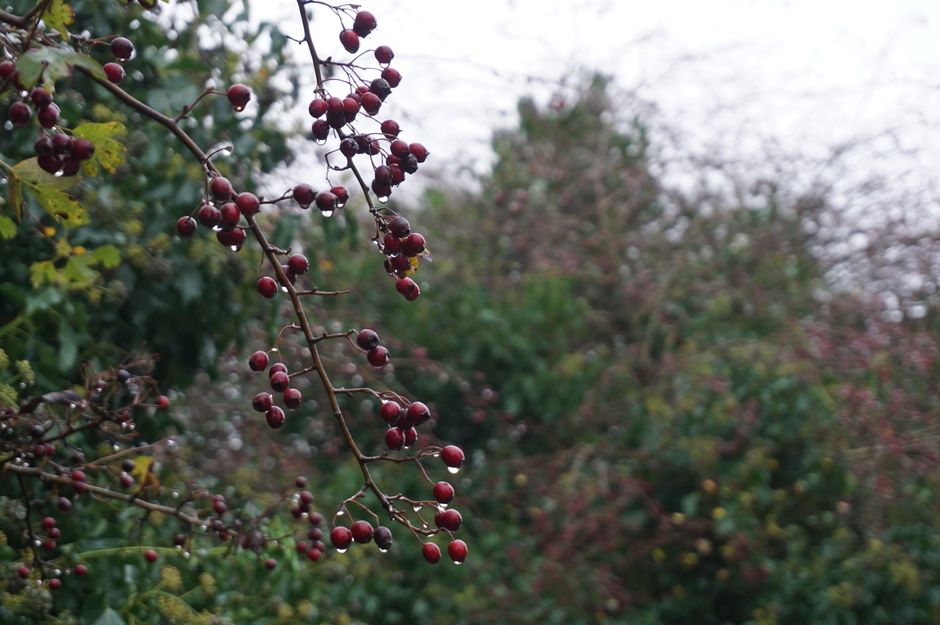
Warwick Avenue station garden clearance same day gardeners: fast, tidy help when the garden can't wait
If you need Warwick Avenue station garden clearance same day gardeners, chances are the garden has tipped from "a bit overgrown" into "I need this sorted today." Maybe you're moving out, getting ready for visitors, dealing with storm debris, or just staring at a patch of outdoor chaos that's become awkward to ignore. Whatever the reason, same-day garden clearance is about more than speed. It's about restoring order quickly, safely, and without creating another mess for you to deal with later.
In a busy part of London, timing matters. Narrow access, shared boundaries, bins that fill fast, and limited parking can all turn a simple clear-up into a faff. This guide explains how same-day garden clearance works, what to expect, who it helps most, and how to get better results from the visit. You'll also find a checklist, a comparison table, and a few practical tips that make the whole process smoother. Nice and straightforward.
Why Warwick Avenue station garden clearance same day gardeners matters
A garden clearance sounds simple until you're faced with tangled bramble, heavy cuttings, wet soil, broken pots, fallen branches, and a compost heap that has definitely seen better days. Same-day gardeners matter because they remove the delay between noticing the problem and actually fixing it. That short gap is often where things get worse: weeds spread, waste gets heavier, access gets blocked, and the job starts to feel bigger than it should.
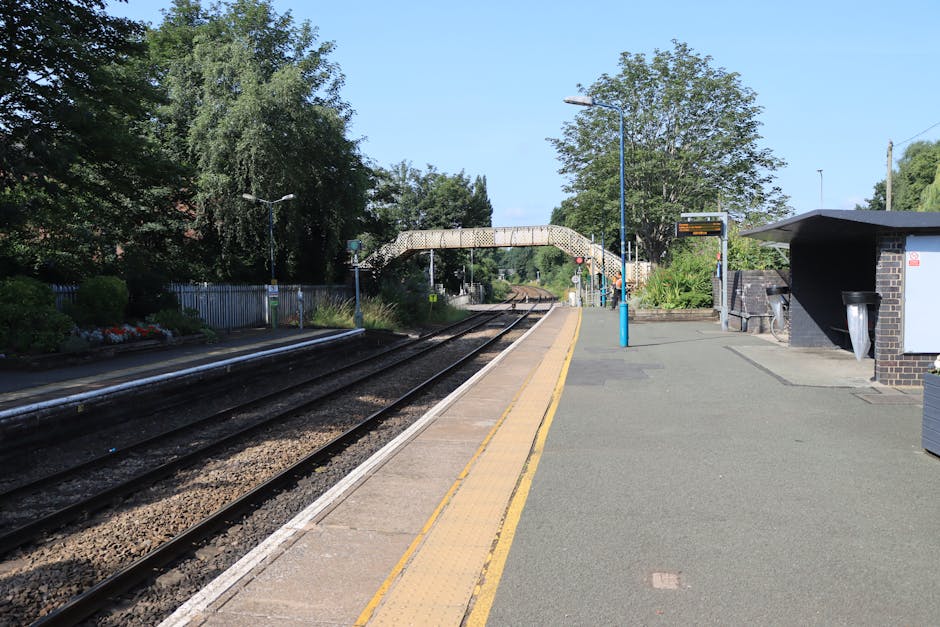
For homes near Warwick Avenue station, there's also the practical reality of urban access. Gardens may be compact, shared, basement-level, or tucked behind terraces. That means a quick, organised clear-up can make a surprising difference. A well-run clearance opens paths, improves safety, and makes the space usable again the same day. Not glamorous, but very satisfying.
It also helps with first impressions. If you're preparing a property for sale, a tenancy changeover, or even just a family gathering, an overgrown garden can drag the whole place down. One tidy outdoor space can change how a property feels at once. You know that moment when a space suddenly breathes again? That's the goal.
For broader outdoor upkeep, many people pair clearance with regular garden maintenance support so the space stays manageable after the initial reset. If the problem started with neglected beds, self-seeded weeds, or a lawn gone patchy, it may also help to look at ongoing lawn care and seasonal tidy work rather than one-off rescue mode forever. That's the smarter route, to be fair.
How Warwick Avenue station garden clearance same day gardeners works
Same-day garden clearance usually begins with a quick assessment of the job. Sometimes this happens over the phone or by message, and sometimes the gardener needs a look at the access points, waste volume, and any awkward items. The aim is simple: work out what can be cleared safely, what needs specialist handling, and how long the job is likely to take.
Once the team arrives, they'll normally start by separating the work into clear categories. Green waste goes one way, bulky garden debris another, and anything reusable or keep-worthy is set aside. That might include pots, edging materials, timber offcuts, or slightly battered furniture that you're not ready to lose. A sensible clearance is tidy, but not careless.
The actual process often includes:
- cutting back overgrowth and brambles
- lifting leaves, twigs, and loose garden rubbish
- removing dead plants, weeds, and failed seasonal growth
- breaking down larger waste into manageable loads
- bagging and loading materials for disposal
- final raking, sweeping, and a basic tidy finish
In more complex gardens, the job may also involve pruning, hedge shaping, light tree work, or hard-surface cleaning afterwards. For example, if a hedge is spilling into a path or fence line, it often makes sense to combine clearance with hedge trimming rather than leaving a ragged edge behind. And if there are old branches cluttering the back of the plot, a team that can handle tree surgery may be better suited to the job than a basic tidy-up crew.
Same-day work is usually about prioritising what has the biggest visual and practical impact first. That means the garden doesn't need to be "finished" in a perfect, magazine-ready sense. It needs to be safe, clear, and usable. There's a difference, and it matters.
Key benefits and practical advantages
The biggest benefit of same-day garden clearance is obvious: speed. But the real value goes further than that. A quick turnaround reduces stress, prevents the job from snowballing, and gets the outside space back under control before weather, pests, or complaints make things more complicated. A soggy pile of cuttings in the corner is one thing on a dry morning; after a wet evening, it can become a sticky nuisance.
There's also a safety angle. Overgrown gardens can hide trip hazards, broken glass, uneven paving, loose nails, and hidden roots. If children, pets, or elderly relatives use the space, that matters a great deal. Same-day clearance is often the difference between avoiding a problem and dealing with one later. Simple as that.
Other practical advantages include:
- Better curb appeal: the garden looks cared for quickly, which helps with letting and selling.
- Lower stress: one visit can remove the mental load of "I must deal with that garden."
- Cleaner access: paths, gates, and rear entrances become easier to use.
- More room for next-stage work: clearance creates a clean slate for landscaping, fencing, or planting.
- Less chance of waste build-up: garden rubbish doesn't sit around attracting more mess.
If your garden needs more than a reset, a clearance can sit nicely alongside landscaping work or small upgrades such as decking services and patio cleaning. Once the heavy lifting is out of the way, those improvements tend to show up properly. Before that, they're just hidden under debris. Bit pointless, really.
Expert summary: same-day clearance is best treated as a practical reset, not a cosmetic shortcut. The stronger the preparation and the clearer the brief, the better the result.
Who this is for and when it makes sense
Same-day garden clearance is useful for a wide range of people, but it's especially valuable when time is tight or the job has become awkward to leave any longer. It suits landlords, tenants, homeowners, estate managers, and busy families. It also suits anyone who has looked out at the garden and thought, "Right, that's got to go."
Here are the most common scenarios where it makes sense:
- Pre-sale or pre-let preparation: a tidy garden helps the property present well.
- End of tenancy: removing accumulated waste can help handover go more smoothly.
- After storms or windy weather: branches, leaves, and broken plant material can pile up fast.
- Before family events: if you need outdoor space usable within hours, same-day support is ideal.
- After long neglect: when a garden has been left for a season or more, a reset can be the first step back.
It can also be a smart choice for people who don't want ongoing weekly maintenance but still need the garden to look respectable. In that case, a one-off clearance followed by occasional visits is often enough. There's no rule saying a garden must be fussed over every weekend. Let's face it, most of us have better things to do.
If you're dealing with a lawn that has been overtaken, the right follow-up may be lawn mowing or longer-term lawn care. And if your outdoor space has become a magnet for debris because access is poor, a stronger boundary or repair might be worth thinking about too; that's where fencing work can matter later on.
Step-by-step guidance
If you want the best outcome from same-day garden clearance, a little preparation goes a long way. You don't need to do the gardener's job for them. You just need to make the visit efficient and avoid last-minute surprises.
- Walk the garden first. Note the worst areas, large waste items, broken features, and any access issues.
- Decide what must stay. Put aside pots, tools, toys, plants, or furniture you want kept. It sounds obvious, but this step saves grief.
- Clear access routes. Open gates, move cars if needed, and make sure side passages are usable.
- Point out hazards. Broken glass, sharp metal, unstable structures, and hidden holes should be flagged before work starts.
- Agree the priority order. For example: waste removal first, hedge cutback second, patio sweep third.
- Ask about waste handling. Make sure the team explains what will be taken away and what will be left behind.
- Inspect the finish before they leave. A quick check is worth it. If something has been missed, say so politely there and then.
One thing people often forget: a clearance job can reveal a second layer of work. Once the clutter is gone, you may notice damaged paving, failed edging, tired planting, or a hedge that needs more than a quick snip. That's normal. It's actually helpful. Once you can see the space properly, the next sensible decision becomes much easier.
If the garden is heavily overgrown, there may be sections where a gardener needs to work carefully around existing plants. That's especially true if you're trying to keep herbs, climbers, or seasonal bedding alive. For helpful planting ideas after the clear-up, some people like reading about low-maintenance garden ideas and ground cover plants that help suppress future weeds.
Expert tips for better results
From experience, the best garden clearance jobs are the ones where the homeowner gives a crisp brief and the gardener works with a clear order of priorities. The job goes faster, waste is handled better, and you avoid that slightly awkward moment when both sides assume the other side is handling the same pile of branches. Happens more than you'd think.
Here are a few practical tips that genuinely help:
- Take "before" photos. They help you remember what needed attention and make it easier to check the result.
- Be honest about access. If the route to the back garden is narrow or steep, say so in advance.
- Group related tasks. Clearance, hedge cutting, and patio sweeping often work better as one visit than as separate jobs.
- Think in phases. A heavy clearance first, then planting or redesign later, usually gives the best value.
- Keep one small bin or bag system ready. It helps if the gardener is separating waste, especially when there's a mix of green cuttings and general rubbish.
A few sensory clues can tell you whether you need action quickly: a sour compost smell, compacted wet leaves, a damp fence line, or grass that feels springy underfoot because it's grown too long. Those things are not dramatic on their own, but together they signal the garden is overdue for attention.
For gardens with lots of shaded corners or older planting, it can be useful to think about follow-up structure, not just clearance. The right mix of shrubs, evergreen shapes, and simple hard landscaping can keep a garden from sliding back into mess so quickly. If that sounds like your space, a few ideas from evergreen planting and practical seating ideas may help you plan the next stage.
Common mistakes to avoid
The biggest mistake is assuming every clearance is the same. It isn't. A small courtyard full of leaves is very different from a garden where bramble, roots, and broken timber have built up for months. A good brief should match the reality of the space, not the optimistic version of it.
Another common error is leaving hidden items in the garden and forgetting to mention them. Old garden ornaments, bagged waste, loose bricks, and rusted fixtures can all slow the job down or cause damage if they're not pointed out. It's annoying, yes, but avoidable.
Other mistakes to avoid:
- Waiting too long: the longer you leave it, the heavier and costlier the work may become.
- Mixing keep and remove piles: if you are vague, items can be lost in the general chaos.
- Ignoring access limitations: narrow gates and shared passageways need planning.
- Expecting a full redesign in one visit: clearance is the reset, not always the full makeover.
- Skipping follow-up maintenance: even a great clearance can slip back if nothing is done afterwards.
And one small but important thing: don't treat garden clearance as a dumping ground for non-garden waste unless you've clearly agreed that's part of the job. If there are mixed materials, it's better to separate them properly. Saves time. Saves hassle. Saves that "why is this here?" conversation later.
Tools, resources and recommendations
A well-equipped same-day gardener usually arrives ready for cutting, lifting, sweeping, loading, and basic finishing work. The exact kit depends on the site, but the essentials tend to be practical rather than fancy. You don't need a giant arsenal. You need the right tools used well.
Common tools and equipment include:
- loppers and secateurs for finer cutting
- hedge trimmers for shaping overgrown edges
- rakes and brooms for loose debris
- heavy-duty bags and tubs for sorting waste
- spades and forks for disturbed soil or rooted material
- gloves, eye protection, and sturdy footwear
- loading equipment for bulk removal where access allows
For homeowners, the best "resource" is often a simple written note or phone checklist before the team arrives. Tell them about the gates, the shed, the loose slab, the thorny corner, the plant you don't want touched. It sounds basic, but basic is what keeps the day moving.
If you're planning improvements after clearance, it can be useful to explore related services in a joined-up way. A cleared garden may benefit from broader gardening services, especially if the next step is seasonal tidying, replanting, or ongoing upkeep. If the space feels flat after the mess is gone, some people also consider landscaping support to rework the layout properly.
For people who like a low-drama, low-maintenance finish, a guide on affordable low-maintenance gardens can be a useful next read. It's not about being fancy. It's about staying on top of the space without making garden care feel like a second job.
Law, compliance, standards and best practice
Garden clearance in London is usually straightforward, but there are still sensible rules and practices to follow. Waste must be handled properly, and green waste should not be dumped or left where it causes a nuisance. Responsible disposal is a normal part of professional garden clearance, and reputable teams will usually explain how they manage that. If they don't, ask.
There are also practical safety expectations. Gardeners should work with reasonable care around sharp tools, unstable structures, hidden hazards, and any site-specific risks you mention in advance. If there are branches near overhead lines, heavy roots near paving, or restricted access around neighbours' boundaries, caution matters. Not dramatic caution. Just decent, careful work.
Best practice also means respecting neighbouring properties. In a dense area near Warwick Avenue station, sound, access, and waste movement need a bit of thought. Tools are used, bags are carried, debris is loaded, and the site should be left tidy. That's the norm. It should not feel like a small demolition site by the end of the day.
For larger clearances or more involved garden changes, it may also be wise to consider whether tree-related work, new fencing, or deck repairs should happen separately with the right skill set. It keeps the job safer and usually produces a better finish. If something looks beyond a simple tidy-up, it probably is.
Options, methods and comparison table
Not every garden needs the same response. Some just need a quick clear-out; others need a deeper reset with follow-on maintenance. Here's a simple comparison to help you choose the right approach.
| Option | Best for | Typical strengths | Limitations |
|---|---|---|---|
| Same-day garden clearance | Urgent mess, overgrowth, pre-sale tidy-ups, storm debris | Fast turnaround, clear access, immediate visual improvement | May not include full redesign or long-term restoration |
| One-off clearance with follow-up maintenance | Neglected gardens that need both recovery and upkeep | Good balance of speed and continuity | Needs repeat visits to stay under control |
| Clearance plus landscaping | Gardens where the layout is the real problem | Resets the space and improves structure | More planning and usually more time |
| Clearance plus lawn or hedge work | Spaces with a good layout but heavy growth | Very effective for neatness and presentation | Can be less effective if hard landscaping is damaged |
If you're unsure which route suits your garden, ask yourself one question: is the main issue clutter, growth, layout, or all three? That answer usually points you in the right direction. Funny how often the garden tells you what it needs, once you stop looking at it as one giant headache.
Case study or real-world example
A typical same-day clearance call might come from a homeowner near Warwick Avenue whose rear garden has been left untouched for most of the season. There are fallen leaves, an old compost heap, a hedge leaning into the path, and a patio that has become slippery under a layer of muck. The family wants the space usable before a weekend gathering. Nothing exotic. Just a real-life deadline.
In that sort of job, the gardener usually starts by clearing the access route, removing loose waste, and cutting back the worst of the overgrowth. The hedge is trimmed back enough to open the path, the patio is swept or cleaned, and the heavier debris is bagged and removed. If the layout is fine, the result is a much more open garden by the end of the visit. If the layout is poor, the job reveals what should happen next.
What usually surprises people is how much better the garden feels once the clutter is gone. The sound changes. You hear the space again - birds, footsteps on paving, maybe a bit of wind moving through the shrubs. It sounds a bit poetic, but it's true. A cleaned-up garden stops feeling like a burden and starts feeling like a place you can actually use.
That's the real value of prompt clearance. Not just neatness. Momentum.
Practical checklist
Use this quick checklist before your same-day garden clearance visit:
- Walk the garden and note the worst areas
- Separate items you want to keep
- Unlock or clear access routes
- Move cars, bins, toys, and loose furniture if needed
- Point out sharp, fragile, or hidden hazards
- Tell the gardener about any plants to protect
- Agree the priority order of tasks
- Ask what waste will be taken away
- Check whether hedge, lawn, or tree work is needed too
- Inspect the finish before the team leaves
If you want the space to stay manageable afterwards, think about a light follow-up plan rather than waiting for the next big problem. A short visit every so often is usually easier than another full rescue job later.
Get a free quote today and see how much you can save.
Conclusion
Warwick Avenue station garden clearance same day gardeners are there for the moments when delay is no longer useful. Whether the garden is cluttered, overgrown, storm-hit, or simply overdue for attention, a fast clearance restores order and gives you breathing space. That alone can change how a home feels.
The best results come from clear communication, realistic expectations, and a little planning before the team arrives. If the job is handled properly, you get more than a tidy space. You get a reset point. And sometimes that is exactly what a garden needs.
Start with the mess in front of you, not the perfect garden in your head. One good clearance can be the beginning of something far easier to live with.

As an experienced professional in gardening, Scott brings a wealth of knowledge to various landscaping and gardening tasks. Furthermore, he demonstrates proficiency as an author, particularly in the realm of Eco-friendly gardening.